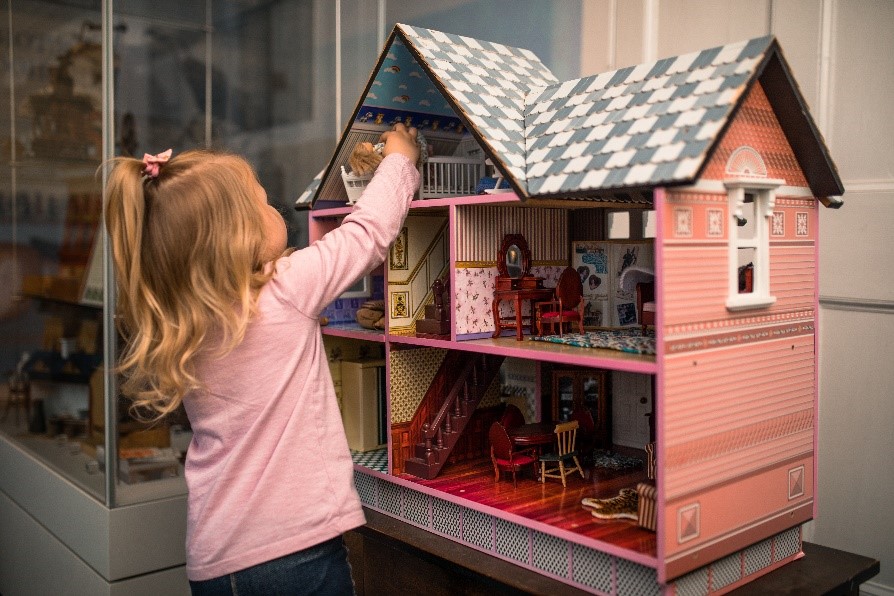
Dolls houses have fascinated generations of people because they transform everyday architecture and interior design into a miniature creative experience. What may initially look like a small decorative house can become an ongoing project involving construction, painting, furnishing, collecting, and personalisation. For enthusiasts, the appeal often comes from having the freedom to create an entire miniature environment according to their own vision.
From traditional houses inspired by period architecture to contemporary miniature interiors, there are countless directions a project can take. Some people enjoy the practical process of building, while others focus on decorating rooms or finding unusual miniature pieces. This combination makes dolls houses particularly appealing to people who enjoy detailed and creative Hobbies.
The Satisfaction Of Building From The Beginning
Building a dolls house can be one of the most rewarding parts of the experience. A kit provides the foundation, but the finished result depends heavily on the decisions made by the builder. Walls need to be assembled, surfaces can be prepared and painted, and different architectural details can be added as the project develops.
The building process encourages patience and careful attention. Small components often require precise positioning, while decisions about finishes can influence the appearance of the entire house. Instead of rushing toward completion, many enthusiasts appreciate working gradually and watching the structure develop over time.
This hands-on element also connects dolls house building with other traditional modelling activities. Someone interested in assembling Model Aircraft, for instance, may recognise the same satisfaction that comes from following instructions, handling small components, developing practical skills, and eventually seeing individual pieces become a complete model.
Decorating Miniature Rooms
Once the basic structure is complete, decorating opens another area of creativity. A miniature room can be styled much like a full-sized living space. Wallpaper, flooring, lighting, curtains, furniture, artwork, and accessories can all contribute to the final atmosphere.
A living room might feature traditional furniture and warm decorative details, while a kitchen could be designed with a more contemporary appearance. Bedrooms, studies, nurseries, dining rooms, and even workshops provide additional opportunities to experiment with different themes.
The small scale allows decorators to explore styles they may never consider for their own homes. A person might create an elegant historical interior in one room and a colourful modern design in another. Because each space is relatively compact, changing a theme or adding new details can also become an enjoyable ongoing activity.
Small Details Make A Big Difference
One of the most interesting aspects of dolls houses is how important tiny details become. A miniature table on its own may establish the basic purpose of a room, but adding plates, books, flowers, lamps, or other accessories can give the space greater personality.
These details help create the impression that the miniature home has its own story. Carefully positioned objects can suggest the interests or daily activities of imaginary occupants. This storytelling element gives enthusiasts another way to express their creativity without needing to follow a fixed design.
Attention to scale is equally important. Choosing appropriately sized furniture and accessories helps create a more convincing overall appearance. Before purchasing additions, collectors can check the scale of their house so that individual pieces work naturally together.
The Appeal Of Collecting Miniatures
For many enthusiasts, building the house is only the beginning. Collecting miniature furniture and accessories can develop into a rewarding interest of its own. Individual pieces may be selected because they complement an existing room, fit a particular historical style, or simply attract the collector’s attention.
Collections can gradually expand as new rooms are completed or existing interiors are updated. Some enthusiasts enjoy searching for pieces that make their miniature environments more distinctive. Others may prefer creating coordinated collections around specific periods, decorative styles, or types of furniture.
This makes dolls houses particularly suitable for long-term enthusiasts. There is rarely a point when a house must be considered completely finished. Furniture can be rearranged, rooms can be redecorated, and new accessories can continually introduce fresh character.
A Creative Hobby With Lasting Appeal
Part of the enduring attraction of dolls houses comes from the variety they offer. Building appeals to people who enjoy practical projects, decorating attracts those interested in interior design, and collecting provides an opportunity to discover and curate miniature objects.
The hobby can also evolve with experience. Beginners may start with straightforward designs before experimenting with more detailed interiors and customised features. Skills developed during one project can then be applied to the next.
Ultimately, exploring the world of dolls houses is about creating something personal on a miniature scale. From assembling the first structural pieces to choosing the smallest decorative accessories, every decision contributes to the finished environment. Whether the greatest enjoyment comes from building, decorating, collecting, or a combination of all three, dolls houses offer a creative pastime that can continue to provide new possibilities for years.